Disability Sustaining Pedagogy
Disability Sustaining Pedagogy calls for thinking beyond teaching practices that provide students with access to general education curriculum and classroom spaces to honoring disability identities as cultural and a form of diversity that is worthy of sustaining.
DSP calls for thinking beyond teaching practices that provide students with access to general education curriculum and classroom spaces to honoring disability identities as cultural and a form of diversity that is worthy of sustaining.
DSP includes the practice of challenging deficit notions of disabled individuals and disability cultures, without essentializing disability identities associated with a classification or label.
DSP attends to gaining access to dominant ways of knowing and being, while simultaneously supporting nondisabled students with access to disabled ways of knowing and being; in other words, gaining disability cultural competence.
DSP explicitly draws on and values the intuition, knowledge, and lived experiences of disabled individuals – in particular, disabled teachers.
DSP involves supporting students in making connections, identifying role models, and building communities with other disabled individuals – including teachers with disabilities.
DSP draws on a critical realist conception of disability. We hold the nuance of disability as both a lived reality and a social construct shaped by context.
Identity
the lived experiences that make each individual unique
Criticality
the ability to read the world for power and perspective
Cultural Competence
learning about your own culture(s) and the cultures of others
Relationships
the collaboration and community of those working for disability justice
Permeability
connecting content and community engagement, specifically communities of and for disabled people
Academic Growth
the development of skills, strategies, and content knowledge
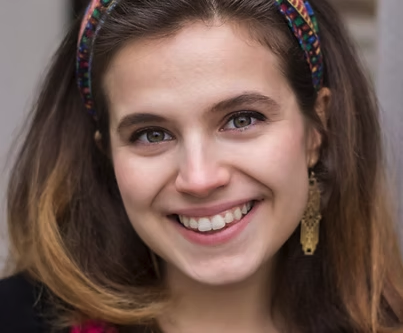
“I am a neurodivergent literacy teacher. It still takes bravery for me to say that. Not many people understand neurodiversity, and disability in general, as a multidimensional, constantly-in-flux color wheel of identity, describing a plethora of experiences, and not as a shameful label. Therefore, it is difficult to convey the message that I want to communicate to students when I call myself neurodivergent: that you can be successful and disabled, happy and disabled, complex and disabled, human and disabled.”
Veronica Walton, Reading Specialist and Children’s Book Author

Todd Lavine, Special Educator and Photographer
“I identify myself as dysgraphic not to qualify my product, but to enable me to self-advocate. Leading with the label creates space for me to illuminate my process, to explain that it takes me a while to get the words out.”
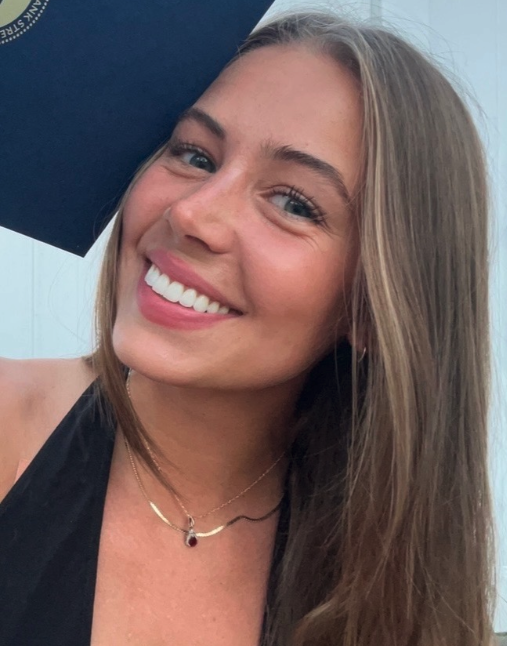
Hannah Benson, Inclusive Educator
“I feel an affinity to this student because I recognize his ADHD traits so much in myself and when he’s behaving in the classroom in a way that would be typically seen as inappropriate, it grows my heart. I’m like, “I get it. I’m singing to myself in my head too.'”
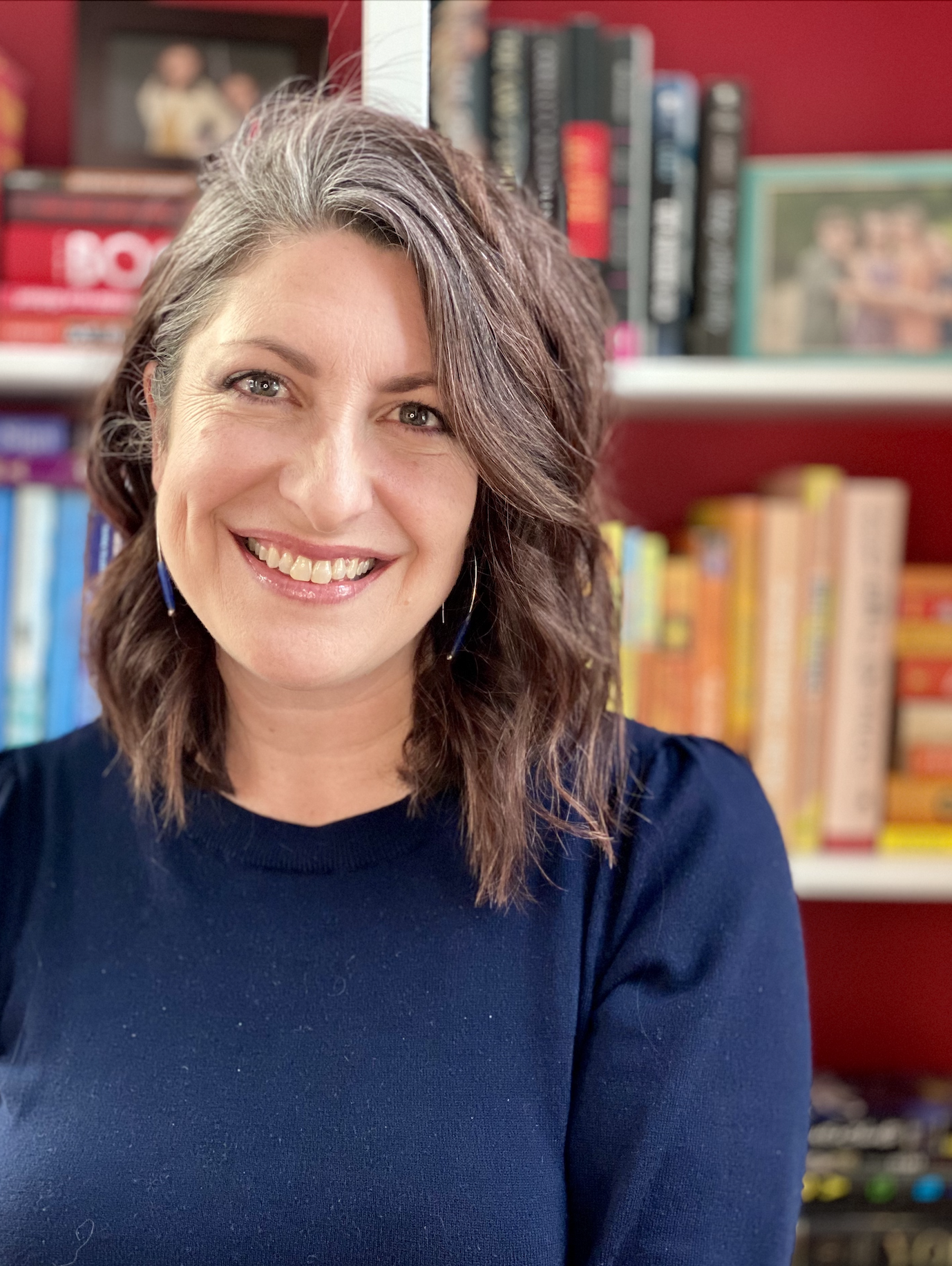
“There’s this sense that autism looks one certain way and by being really vocal and open about it, I’m trying to change that perception. I also feel like my whole life has changed because of my diagnoses in the best way, … I’m a better educator and a better person because I understand myself more.”
Shawna Coppola, Author, Educational Consultant, and Adjunct Professor
“I was late-diagnosed with ADHD, but once I was diagnosed, everything that had been happening in my life up until that point finally clicked into place. It made me feel so much more whole. I didn’t feel like I’d lost anything. I felt like I gained something. It’s been this incredible journey of meeting people and realizing what an incredible thing it is to be neurodivergent.”
Victoria Lebrón, Abolitionist Educator, Community Organizer, and Writer
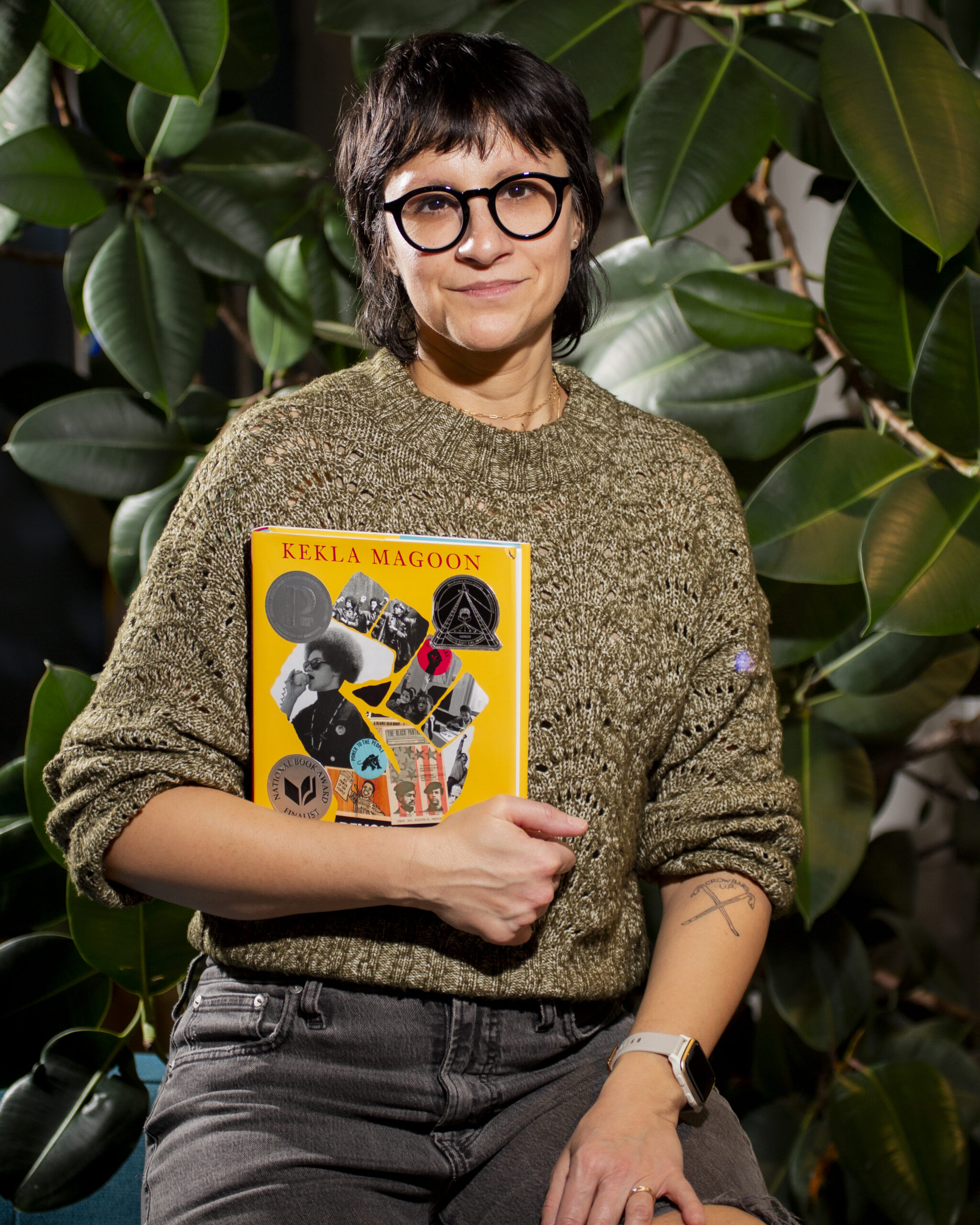
DSP In practice
Meet fifth-grade teacher, Kate Augustus. As an educator with Dyslexia, ADD, and an auditory processing disorder, she applies DSP in her literacy instruction.
“In my own teaching, I pull from MY experience in showing my students that labels do not define who we are; rather, we hold the power to define ourselves.”
CSP/DSP Fantasy Reading and Writing
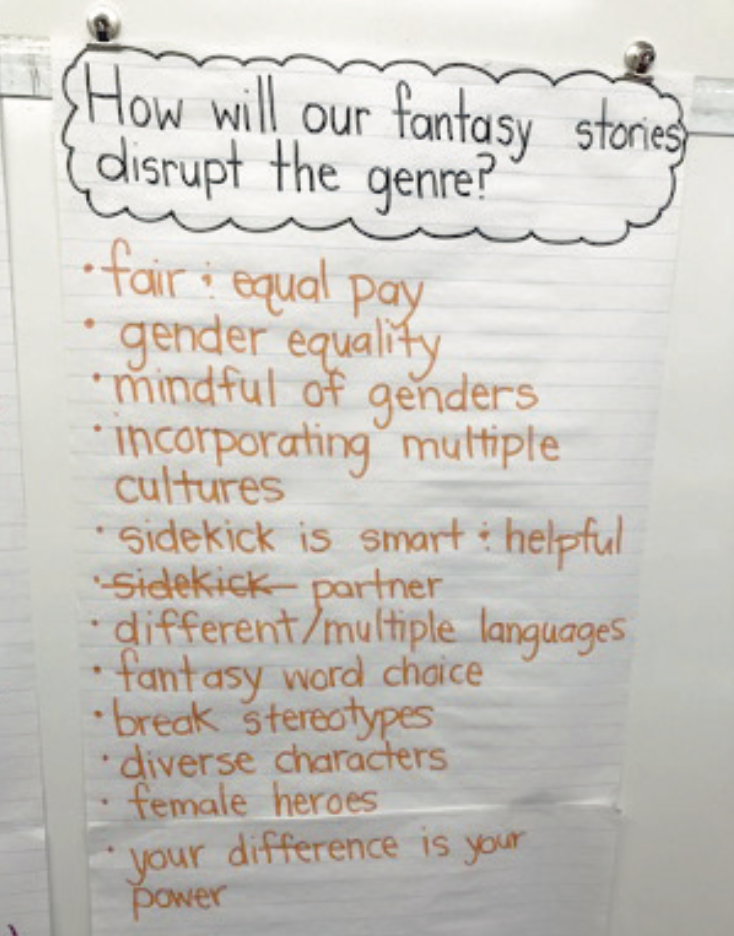
As Kate describes in her videos, she engaged her fifth graders in critical considerations of the texts they encountered in their fantasy reading unit. She helped them build on these noticings to write more inclusive fantasy stories in their writing unit.
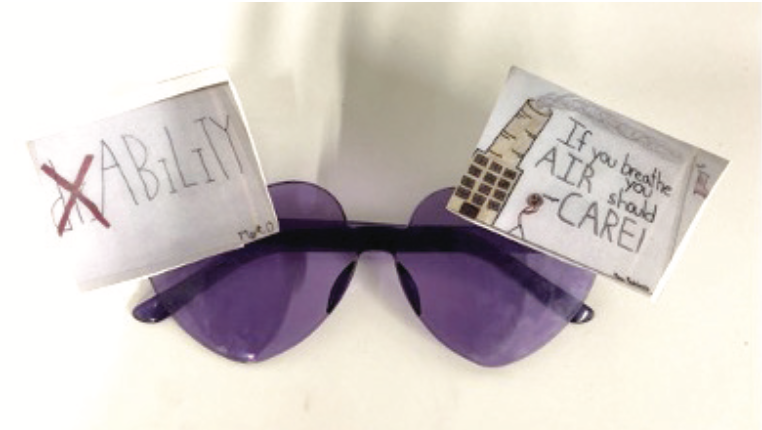
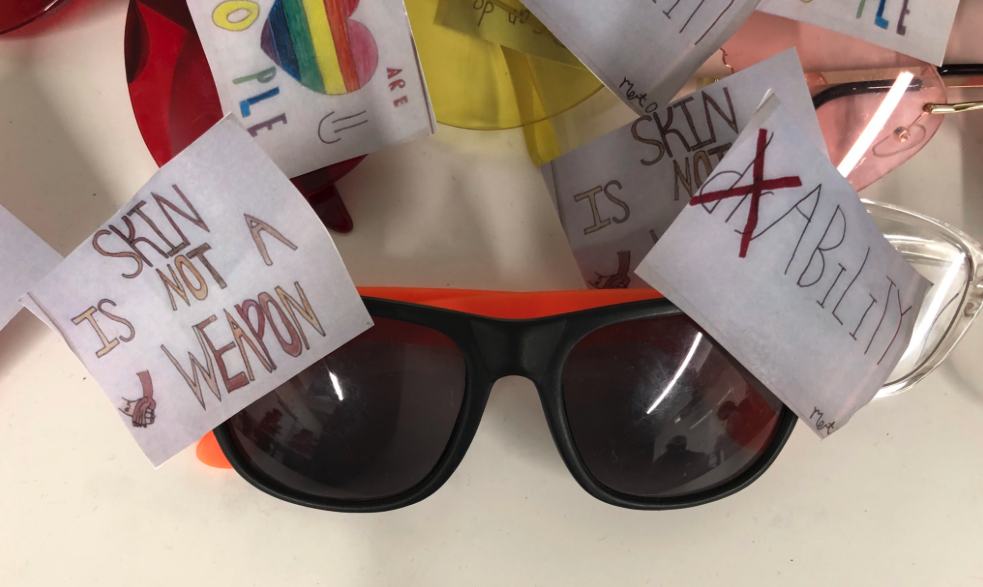
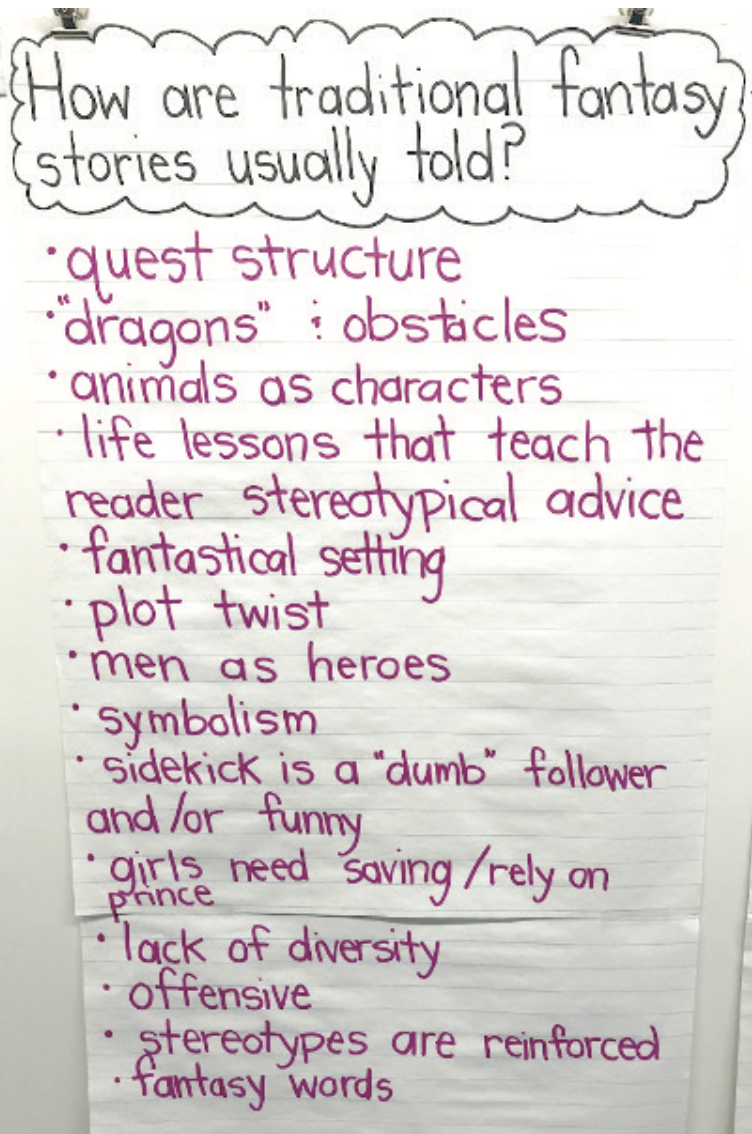

Book and website photography by Todd Lavine
DSP
Disability
Sustaining
Pedagogy
Contact us
@SustainingDisabilityIdentities
amytondreau@umbc.edu
lrabinowitz@skidmore.edu